Small Living Room Ideas: 20 Smart Ways to Make Your Space Feel Bigger
Introduction
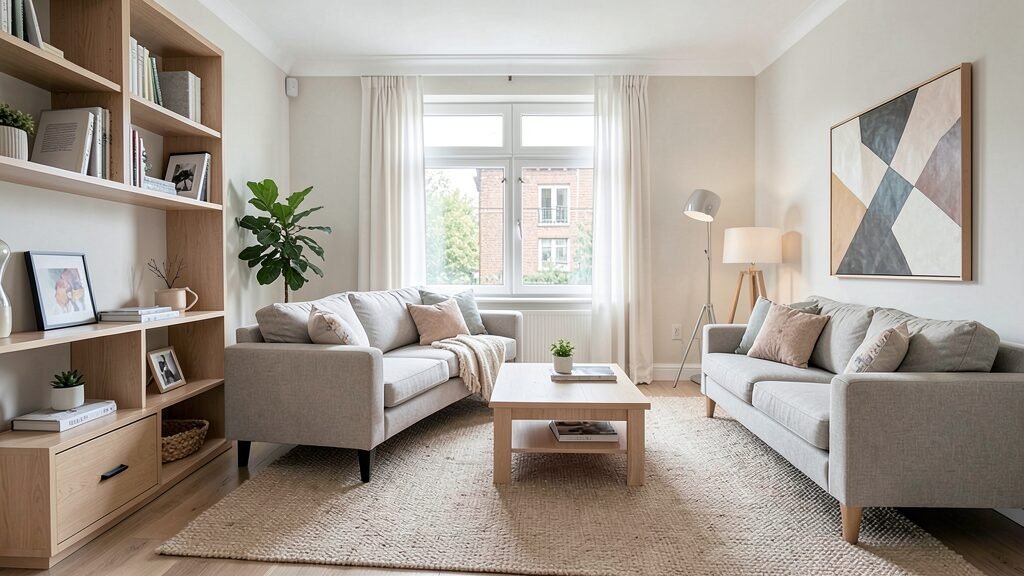
Living in a compact home does not mean living without style. Whether you have a studio apartment, a narrow townhouse, or simply a small living room that feels cramped and cluttered, the right design choices can completely transform how your space looks and feels. Small living room ideas are not about squeezing furniture in and hoping for the best — they are about working smarter with what you have.
In this guide, we cover 20 of the best small living room ideas that interior designers actually use to make tight spaces feel open, airy, and intentional. From strategic furniture placement to color psychology, lighting tricks, and multi-functional storage solutions, these tips will help you get the most out of every square foot.
1. Choose a Light, Neutral Color Palette
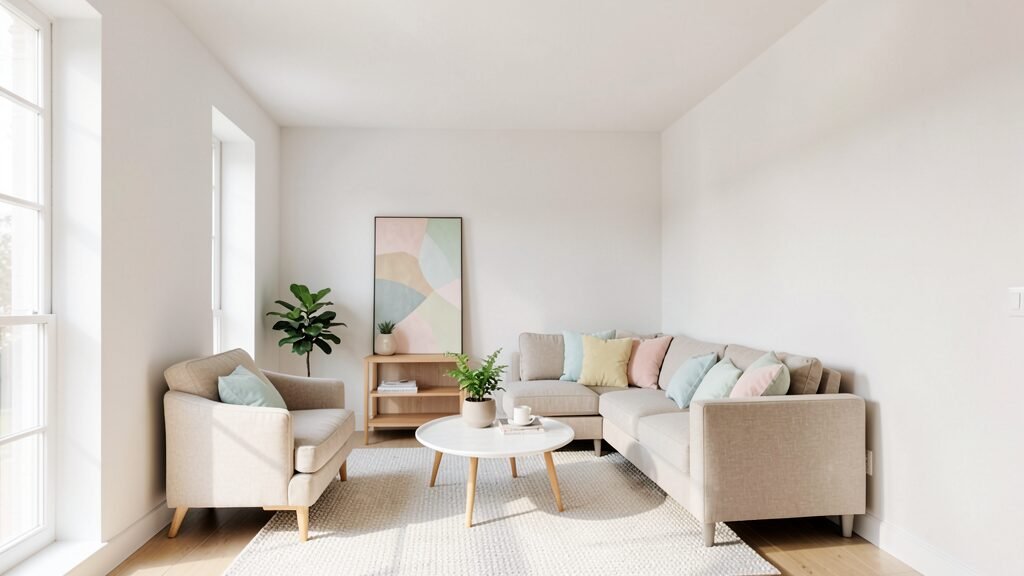
Color is one of the most powerful tools when decorating a small living room. Light colors — whites, soft grays, warm beiges, and pale pastels — reflect natural light and visually expand a room. Dark walls absorb light and can make a small space feel even more closed in.
Paint your walls, ceiling, and trim in similar light tones to blur the boundaries of the room and create a seamless, open feel. A monochromatic palette — where furniture, walls, and decor are all in the same color family — is one of the most effective small living room ideas for making a space look larger than it actually is.
2. Invest in Multi-Functional Furniture
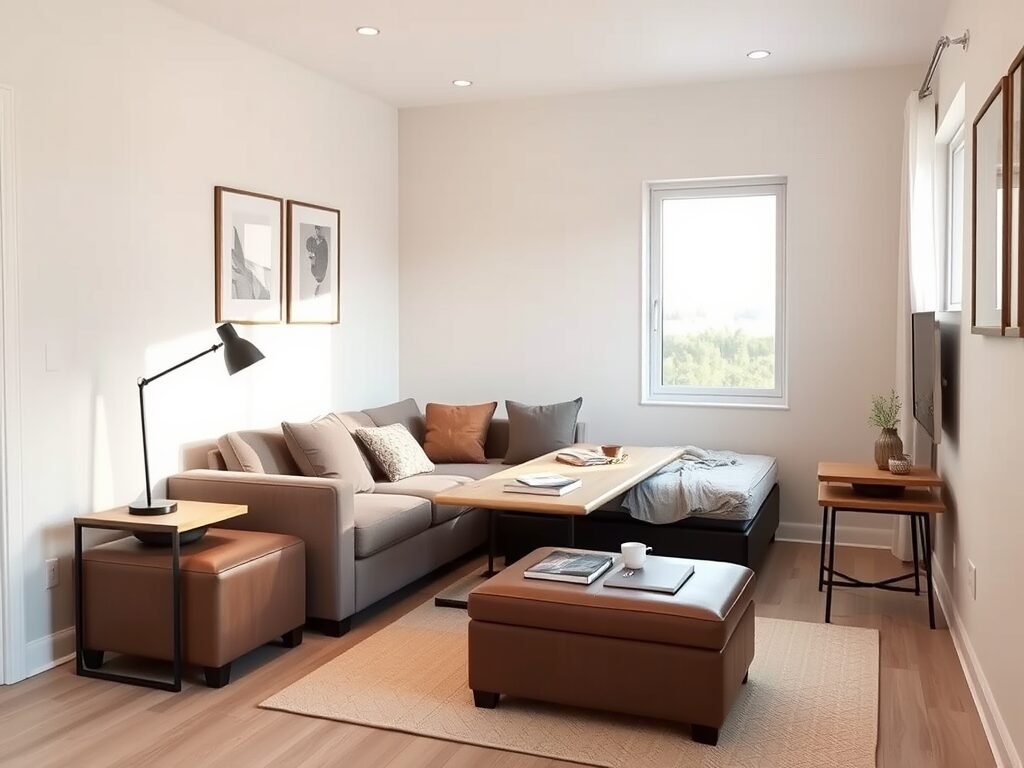
Every piece of furniture in a small living room should earn its place. Multi-functional furniture is the cornerstone of small space design. Look for:
- A sofa bed or daybed that doubles as a guest sleeping area
- A coffee table with built-in storage or lift-top functionality
- Ottomans that open up for blanket storage
- Nesting tables that tuck away when not in use
When furniture serves more than one purpose, you reduce clutter without sacrificing comfort or function.
3. Embrace Vertical Space
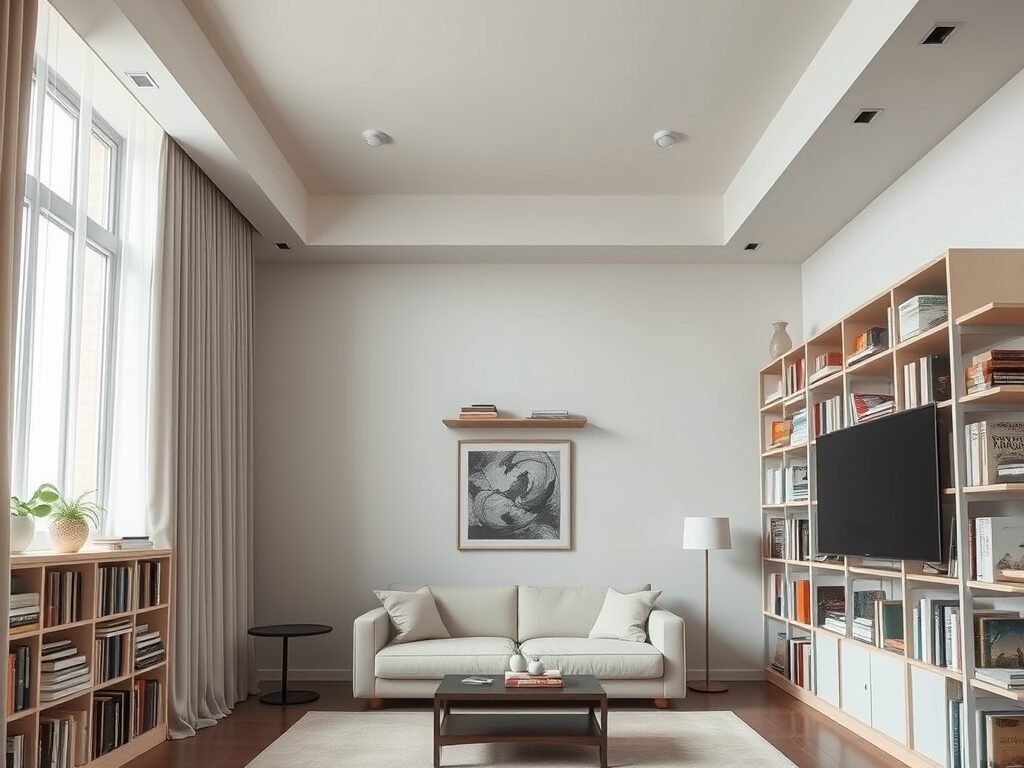
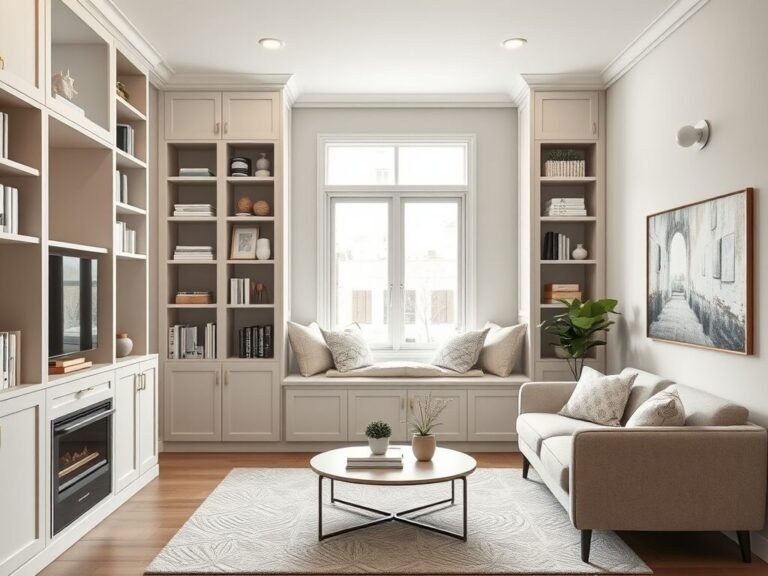
When floor space is limited, go up. Tall bookshelves, floor-to-ceiling curtains, and wall-mounted shelving draw the eye upward, making ceilings appear higher and the room feel more spacious. Installing floating shelves above the sofa or TV unit gives you storage without eating into your floor plan.
This is one of the most underused small living room ideas — most people focus on the floor footprint and forget they have an entire wall above their furniture.
4. Use Mirrors Strategically
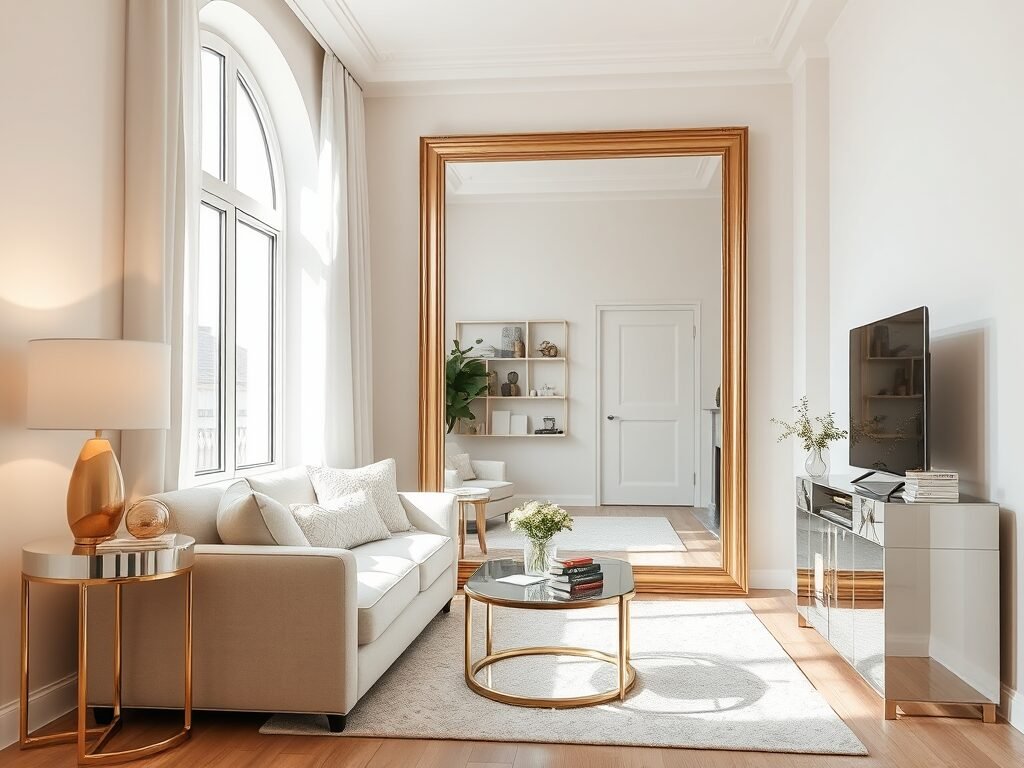
A large mirror is one of the oldest tricks in the interior design playbook, and it works. Mirrors reflect both natural and artificial light, instantly doubling the perceived depth of a room. Place a large mirror opposite a window to bounce light around the space, or use a gallery wall of smaller mirrors for a more eclectic look.
Mirrored furniture — like a mirrored side table or console — can achieve a similar effect while adding a glamorous touch to your small living room decor.
5. Pick the Right Sofa Size
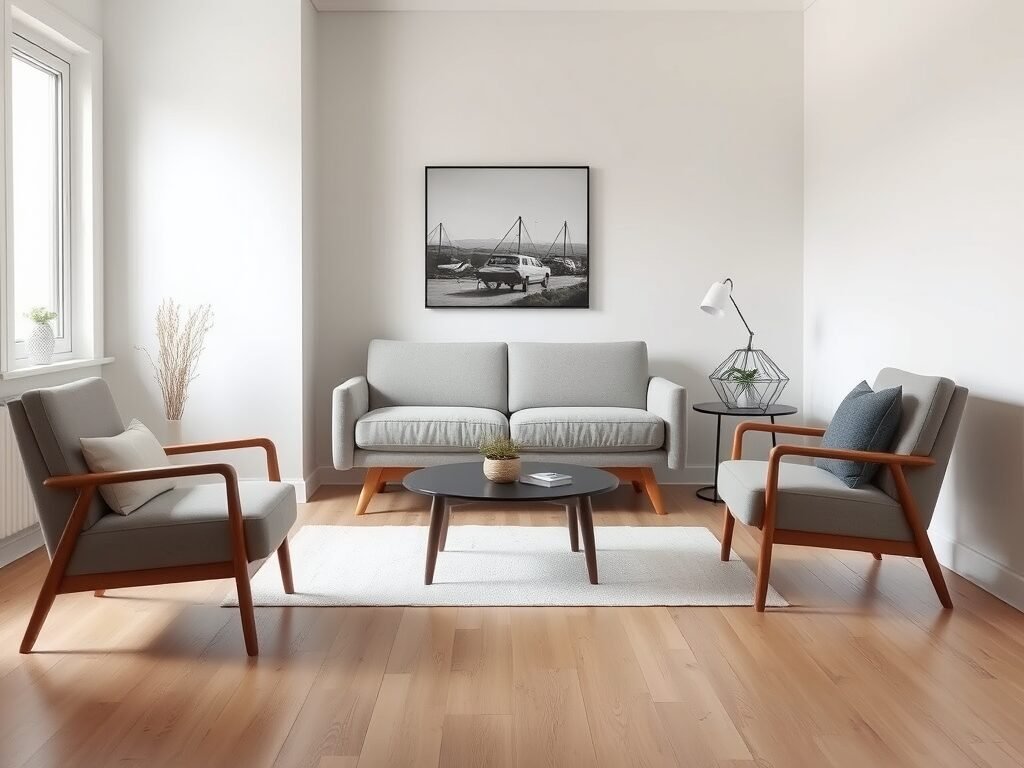
The sofa is usually the largest piece of furniture in a living room, so choosing the right one is critical. In a small living room, a large sectional can overpower the space and block natural traffic flow. Instead, consider:
- A two-seater or compact three-seater sofa
- A sofa with exposed legs (creates the illusion of more floor space)
- A loveseat paired with two accent chairs
Avoid sofas with heavy, chunky bases that sit flush to the floor — they make the room feel heavier and more crowded. Furniture with visible legs keeps the space feeling light and open.
6. Opt for a Rug That Is Actually Large Enough
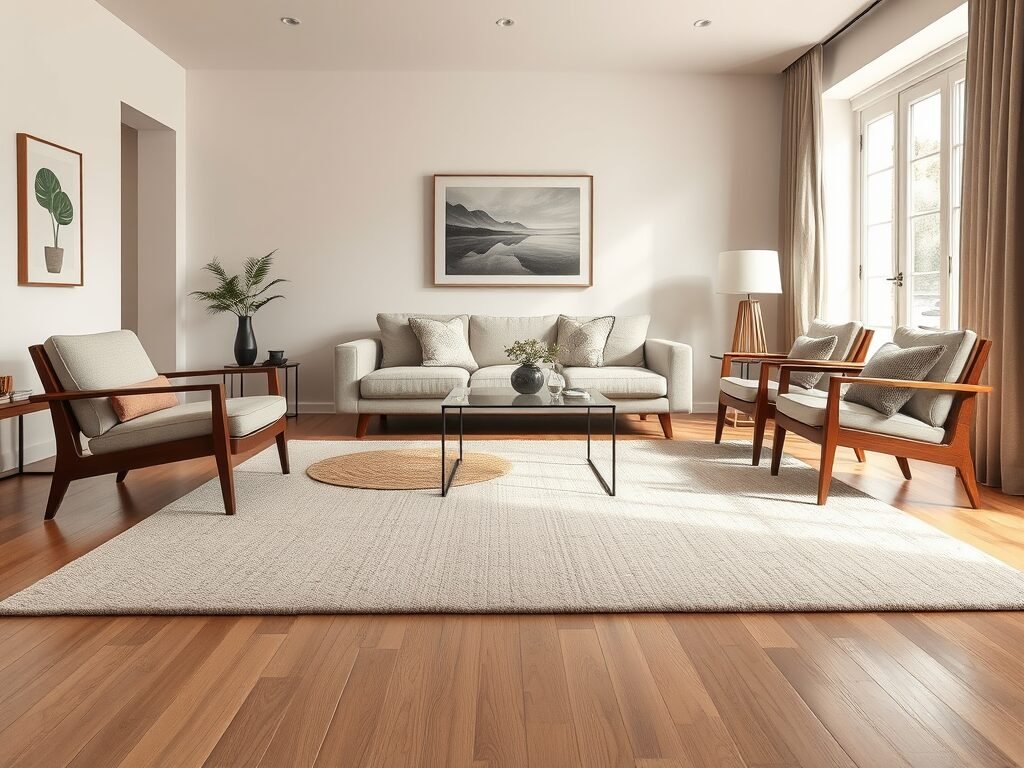
One of the most common mistakes in small living rooms is using a rug that is too small. A tiny rug placed under just the coffee table does not anchor the space — it fragments it. Instead, choose a rug large enough for all the front legs of your furniture to sit on it. This grounds the seating area and makes the room feel like a cohesive, intentional space rather than a collection of floating furniture.
7. Remove Unnecessary Furniture
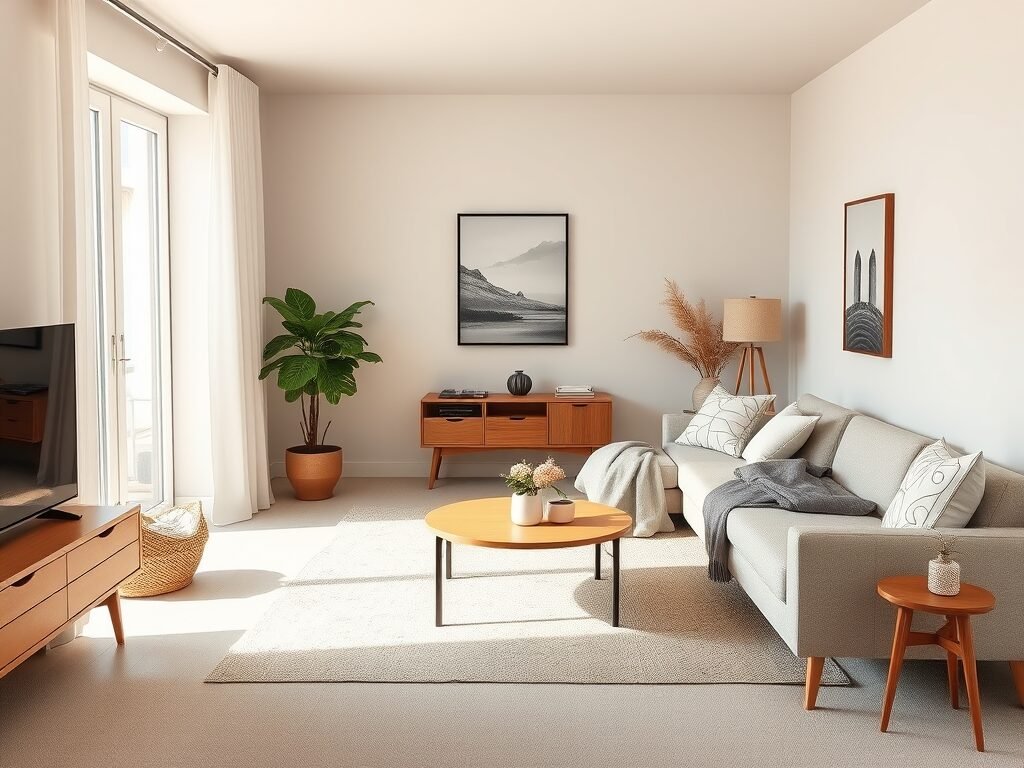
Editing is a design skill. Take a critical look at everything in your small living room and ask: does this serve a purpose? Extra chairs that never get used, decorative tables that only collect clutter, and oversized armoires are common culprits that make small spaces feel stuffed.
Start with a clear-out before adding anything new. A few well-chosen pieces of furniture will always look better than many mediocre ones crammed into a small space.
8. Mount Your TV on the Wall
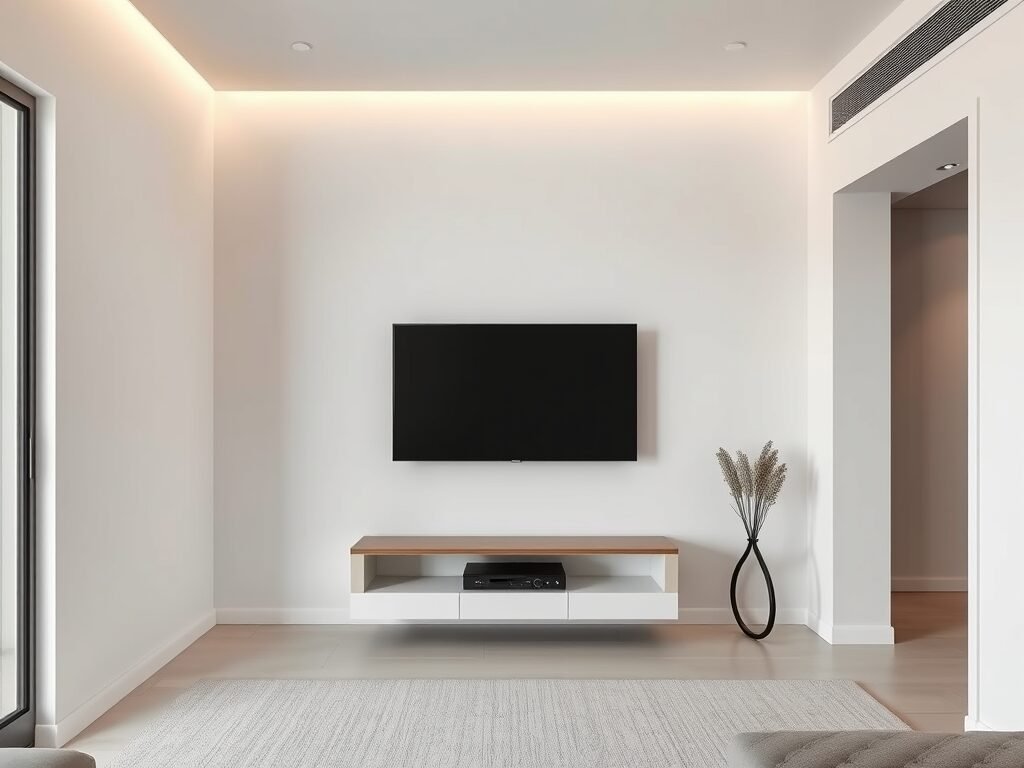
A large television on a bulky TV stand takes up significant floor space. Wall-mounting your TV frees up that area entirely and allows you to use a slim, low-profile media unit underneath — or eliminate the stand altogether. It also contributes to a cleaner, more streamlined look that suits small living room aesthetics well.
9. Use Built-In Storage Solutions
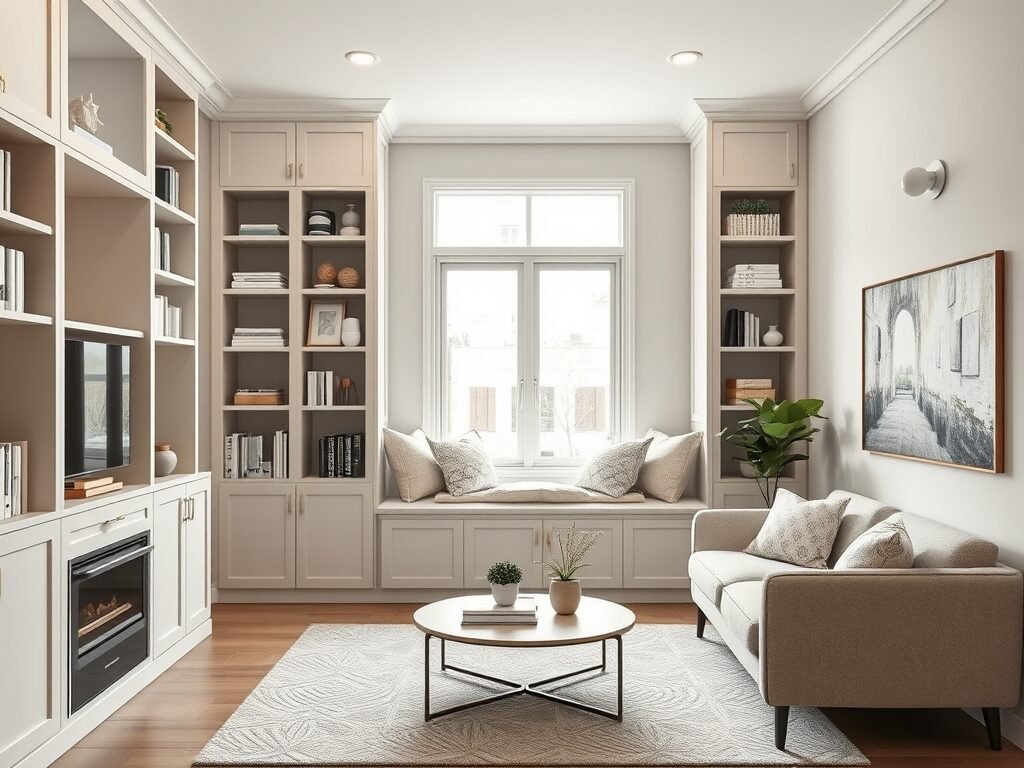
Built-in shelving, window seats with hidden compartments, and alcove cupboards are some of the smartest small living room ideas for maximizing storage without adding bulk. These solutions are customized to fit your specific dimensions, which means no wasted space. Even if built-ins are not in the budget, flat-pack shelving units that run from floor to ceiling can create a similar effect at a fraction of the cost.
10. Choose Transparent or Lucite Furniture
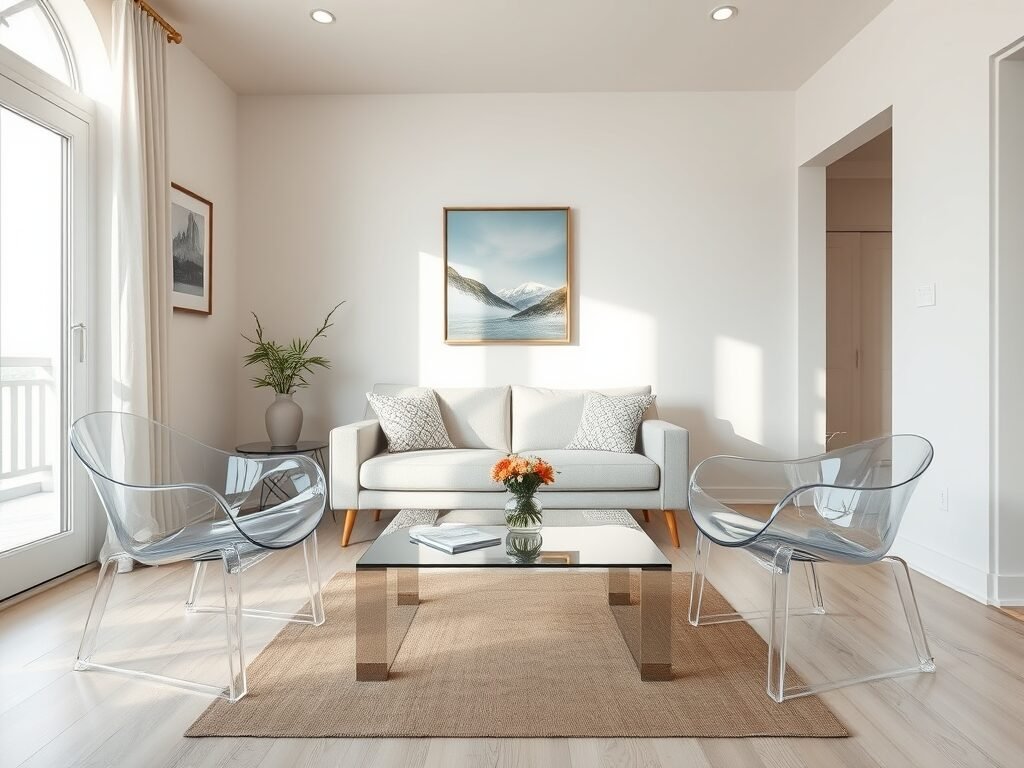
Acrylic, glass, and lucite furniture are design staples for small spaces because they are visually lightweight. A glass coffee table, a clear acrylic side table, or a ghost chair takes up physical space but barely registers visually — your eye passes right through it, keeping the room feeling open.
This works especially well in living rooms with limited natural light, where heavy, opaque furniture can quickly make the space feel dark and dense.
11. Maximize Natural Light
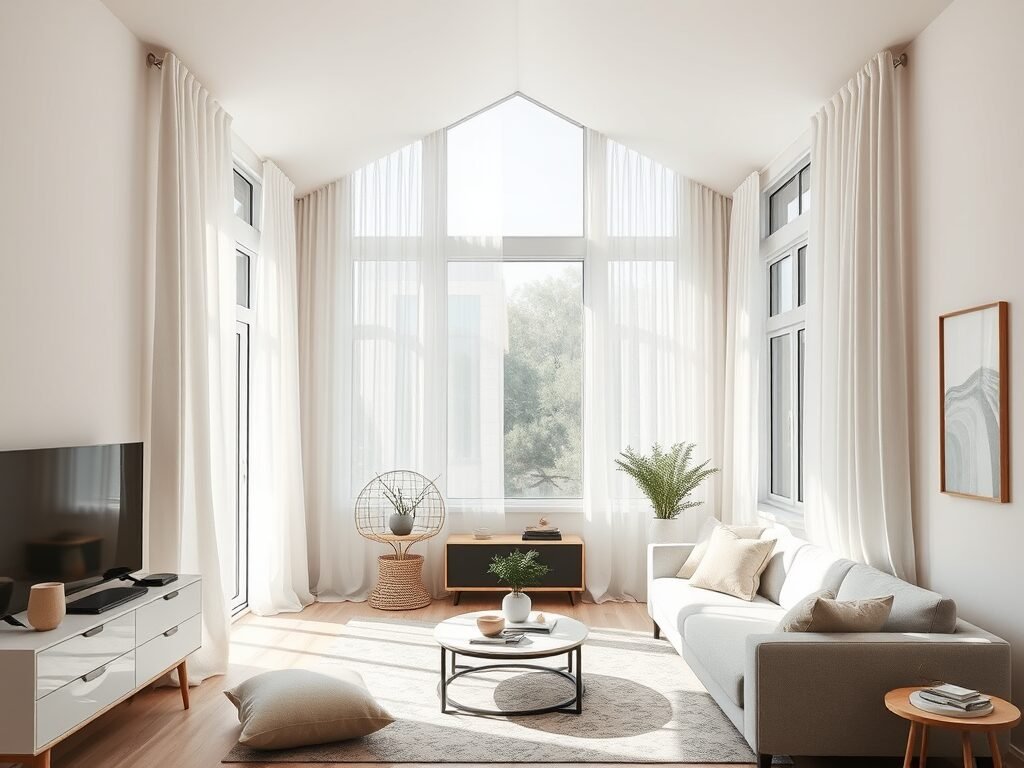
Natural light is one of your greatest allies in a small living room. The more light you let in, the bigger and airier the space will feel. A few ways to maximize it:
- Swap heavy drapes for sheer or linen curtains
- Keep windowsills clear of clutter and large objects
- Use light-reflecting finishes on furniture and decor
- Trim back any outdoor foliage that blocks window light
Hang curtains as close to the ceiling as possible and let them fall to the floor — this elongates the wall and makes your windows appear much larger.
12. Create Zones in an Open-Plan Space
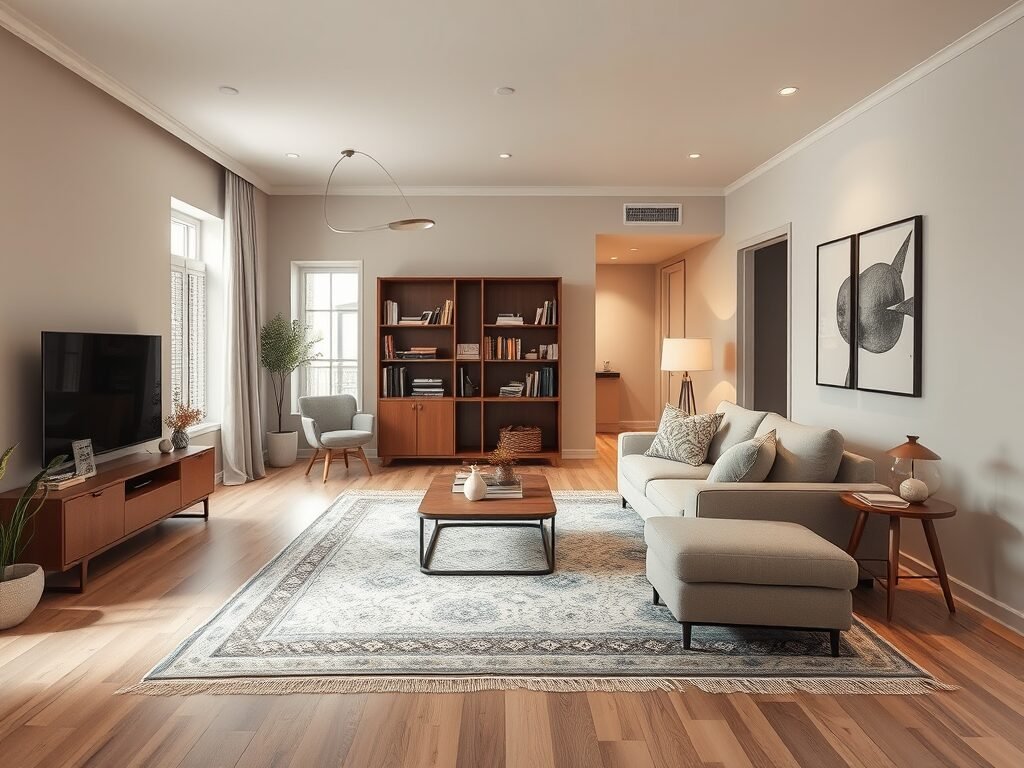
If your small living room is part of an open-plan layout, defining distinct zones helps each area feel purposeful rather than chaotic. Use a rug to define the seating area, a pendant light or floor lamp to anchor a reading nook, and a sofa or bookshelf as a subtle room divider.
Creating zones within a small space is one of those small living room ideas that seems counterintuitive but actually makes the overall footprint feel larger because each area has a clear identity.
13. Go for Floor-to-Ceiling Curtains
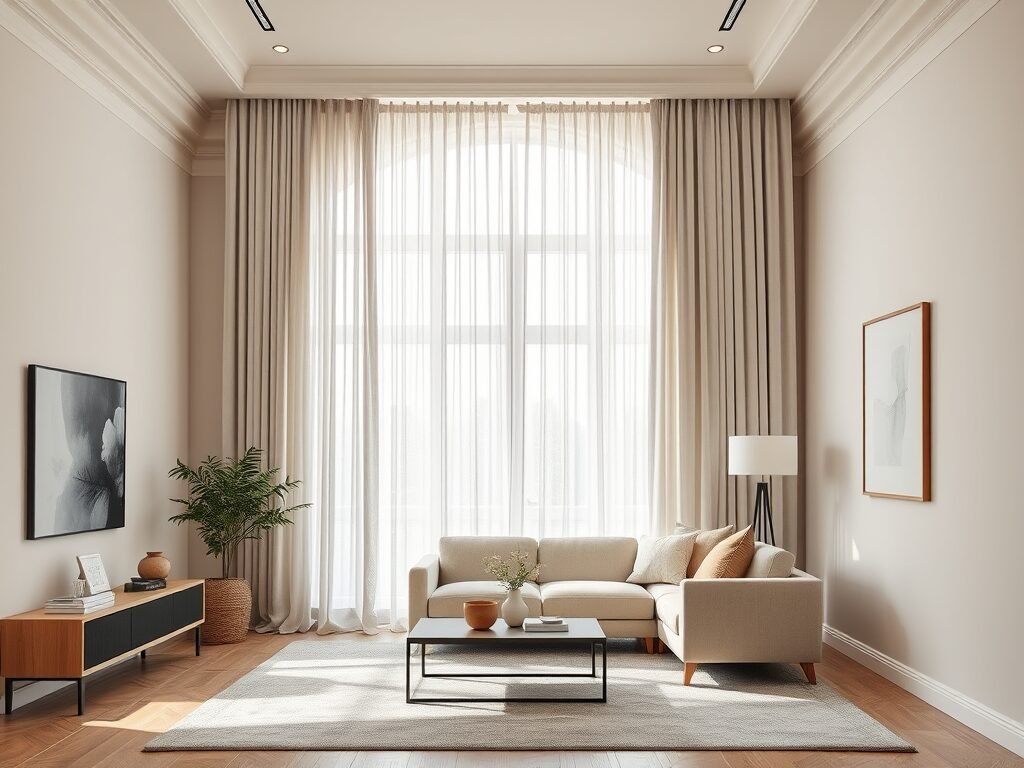
As mentioned briefly above, hanging curtains high and letting them fall to the floor is one of the quickest and most affordable ways to visually increase ceiling height. Mount the curtain rod 4–6 inches above the window frame (or as close to the ceiling as possible), and choose curtains that just graze the floor.
This simple change can make an average-height room feel noticeably more spacious — and it costs very little to implement.
14. Use Accent Lighting to Add Depth
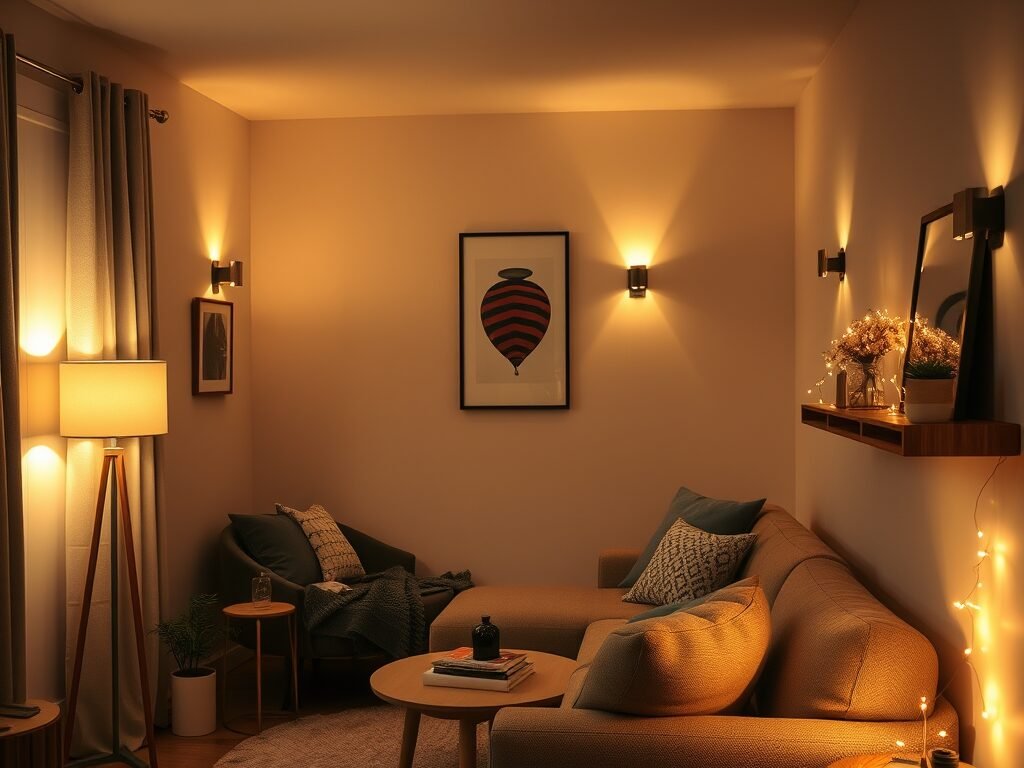
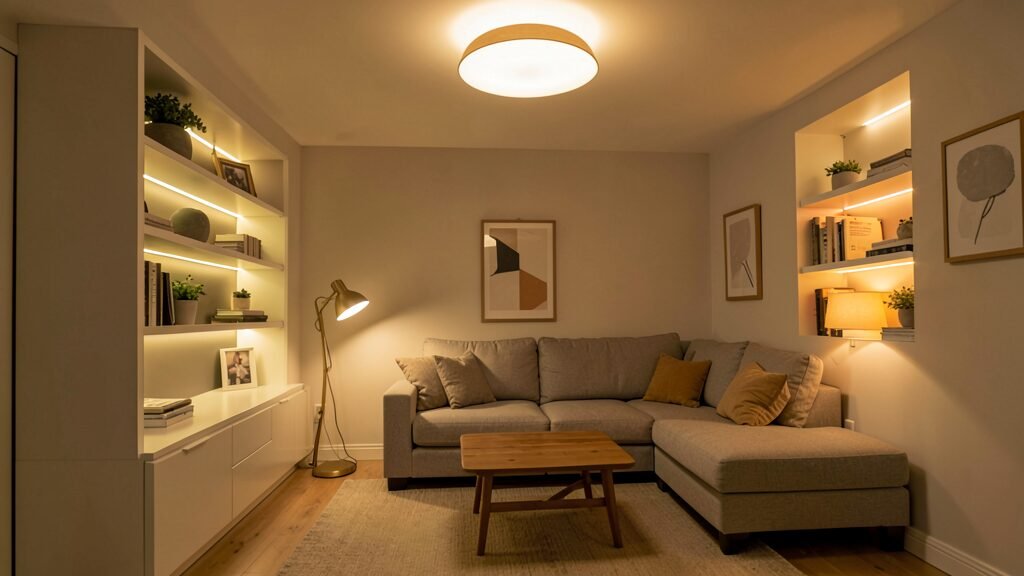
Overhead lighting alone can flatten a room and highlight its small dimensions. Layered lighting — a combination of ambient, task, and accent lights — adds depth and warmth that makes a small living room feel more atmospheric and expansive.
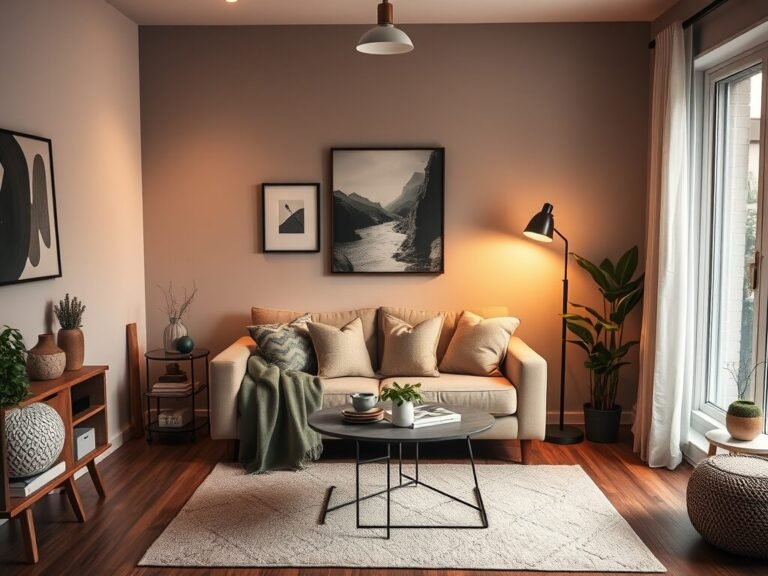
Floor lamps in corners push light into areas that otherwise feel dark and closed in. Wall sconces free up surface space while adding a decorative element. And candles or fairy lights add a soft, cozy layer that no overhead fixture can replicate.
15. Keep Clutter Under Control with Smart Decor Choices
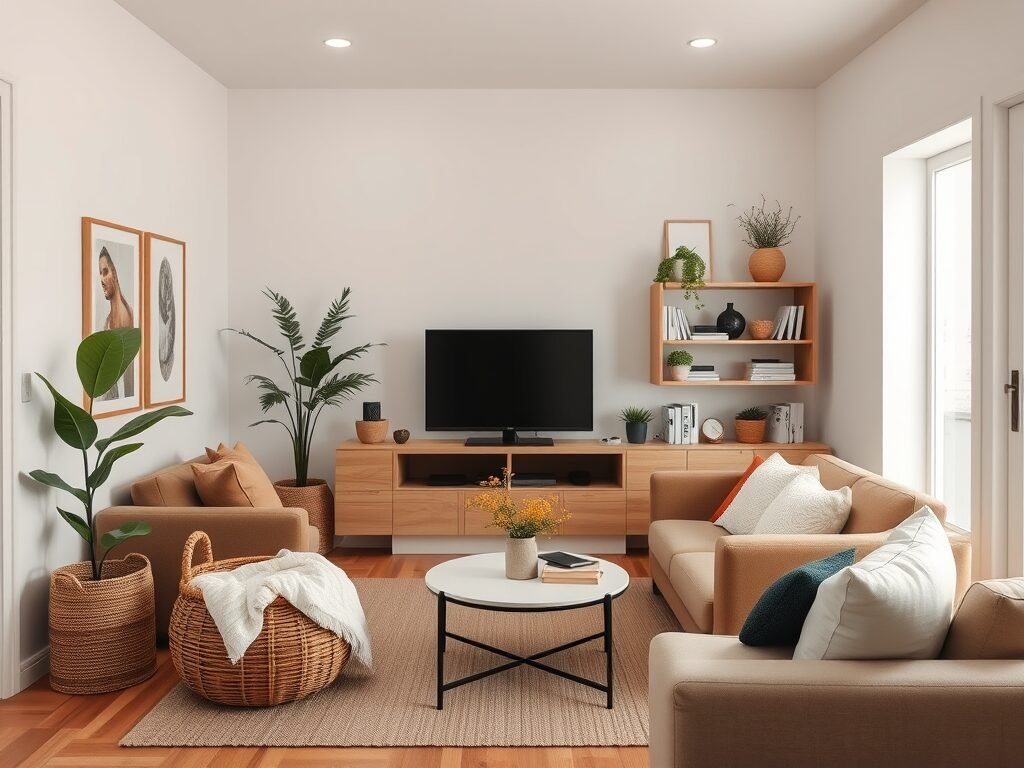
Clutter is the enemy of a small living room. Every surface covered with random objects makes the space feel smaller and more chaotic. Adopt a “less is more” approach to decor by:
- Choosing a few statement pieces rather than many small ones
- Using decorative baskets to corral remote controls, magazines, and throw blankets
- Styling shelves intentionally with a mix of books, plants, and objects — and leaving some negative space
Negative space — areas deliberately left empty — is a design principle that makes a room feel calm and deliberate rather than crammed.
16. Add Plants Without Overwhelming the Space
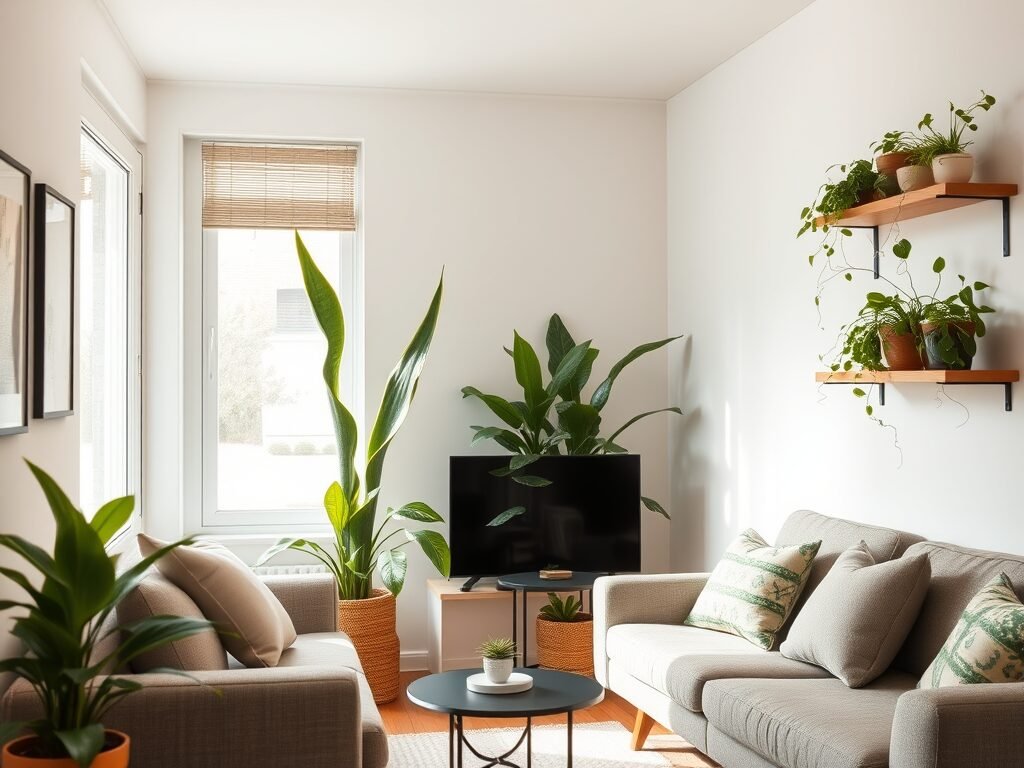
Plants bring life, color, and texture to a small living room without requiring much square footage. The key is choosing the right size and placement:
- Tall, slender plants like snake plants or fiddle leaf figs draw the eye upward
- Small succulents and trailing plants can sit on shelves without taking up surface space
- Hanging planters add greenery without touching the floor at all
A well-placed plant also softens hard architectural lines and adds a natural element that makes a small space feel inviting rather than sterile.
17. Paint the Ceiling a Lighter Shade Than the Walls
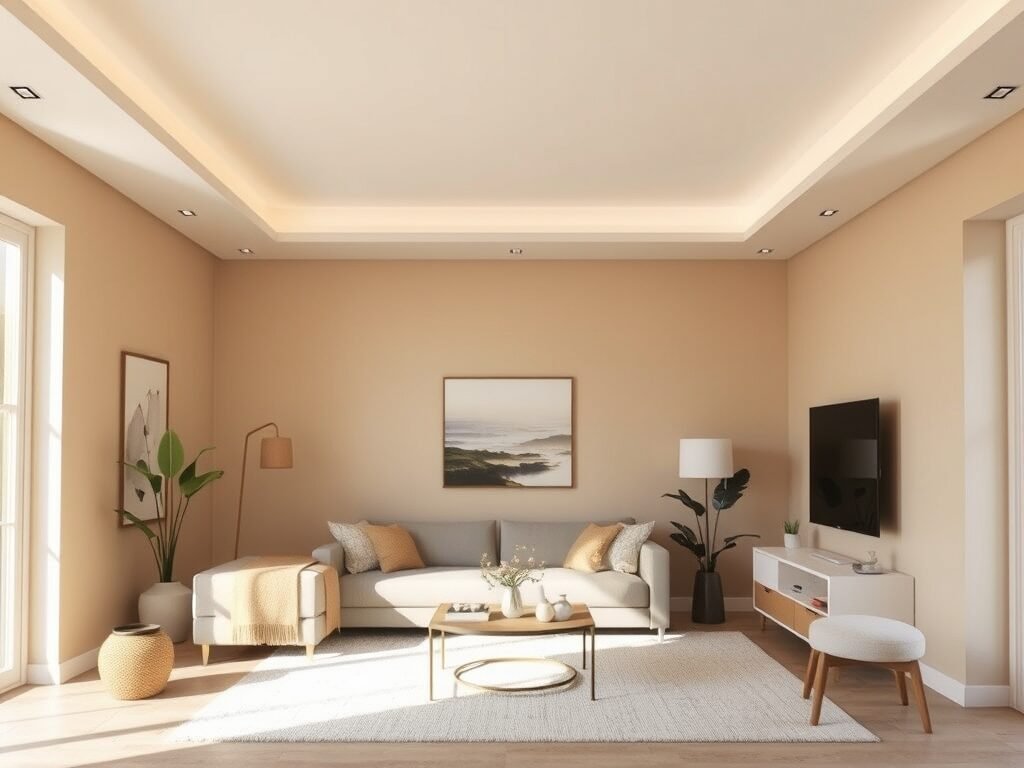
Many people paint their ceilings white by default, but if your walls are already a light neutral, painting the ceiling one shade lighter creates the illusion of greater height. This is a subtle trick used by professional interior designers that most homeowners never think to try.
Even a barely perceptible difference in shade between the ceiling and the walls can psychologically raise the ceiling height, making your small living room feel taller and more breathable.
18. Think Carefully About Traffic Flow
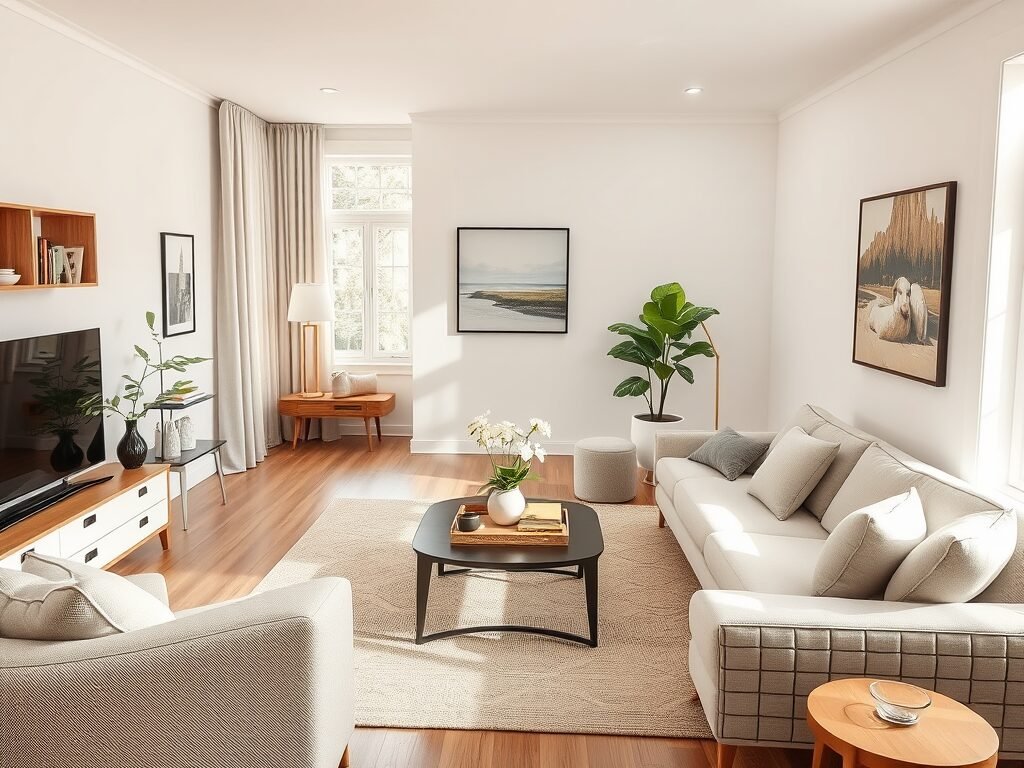
Good furniture layout is about more than aesthetics — it is about how people move through the space. In a small living room, poor traffic flow makes the room feel even smaller because people constantly squeeze past furniture or navigate around obstacles.
Leave at least 30–36 inches of clear pathway through the main areas of the room. Float furniture away from the walls slightly rather than pushing everything against the perimeter — this creates a more intimate seating arrangement and actually makes the room feel larger.
19. Choose Furniture with a Small Footprint
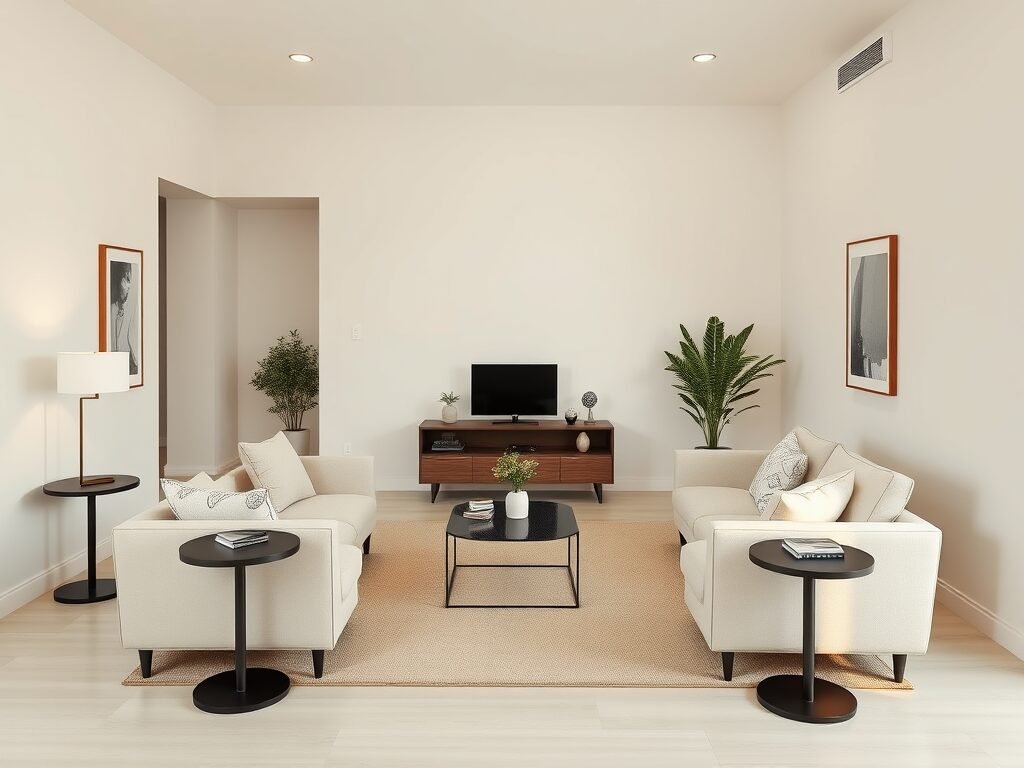
Beyond the sofa, every piece of furniture in a small living room should have as small a physical footprint as possible. A pedestal dining table instead of a four-legged one, a wall-mounted desk instead of a freestanding one, and slender side tables instead of wide ones all contribute to keeping the floor visually open.
When shopping for furniture, always measure your space first and bring those measurements with you. A piece that looks compact in a large showroom can completely overwhelm a small living room.
20. Use Wallpaper or an Accent Wall to Add Personality Without Clutter
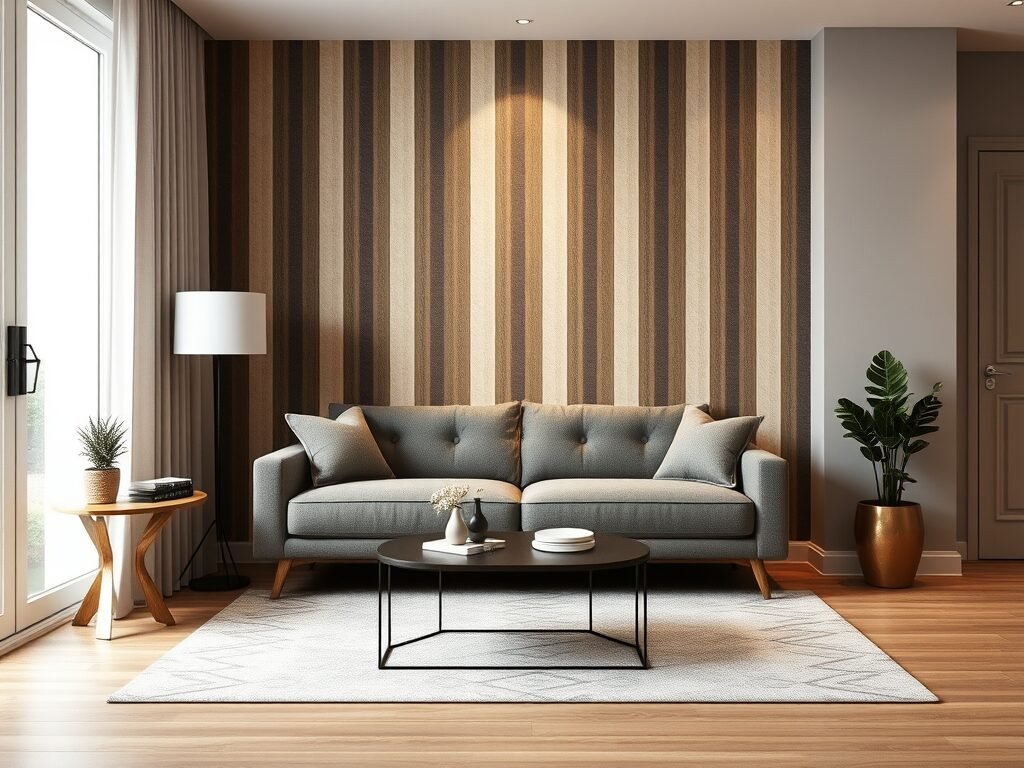
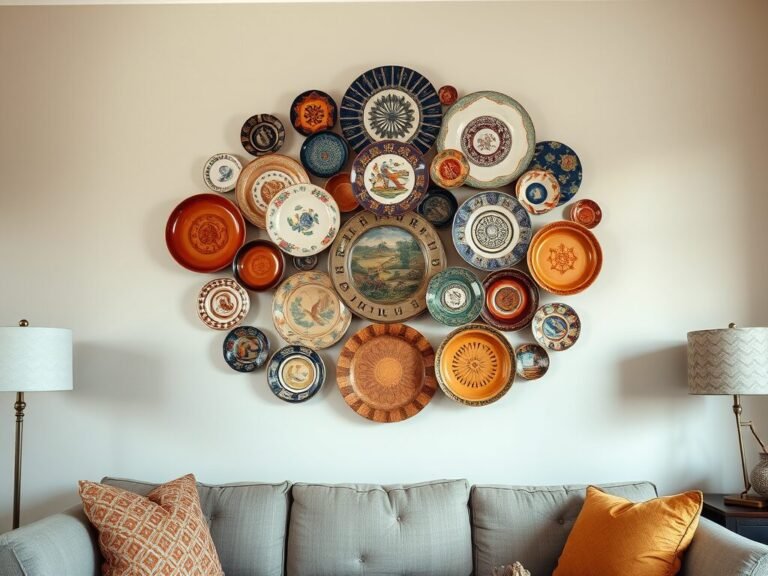
One of the most creative small living room ideas is using a single accent wall — whether with bold wallpaper, a different paint color, or textured paneling — to add personality and visual depth without cluttering the space with extra decor. An accent wall draws the eye and creates a focal point that distracts from the room’s dimensions.
Choose a wall behind the sofa or the one facing the entrance for maximum impact. Vertical stripes or patterns with a lot of vertical movement further elongate the walls and add height.
Final Thoughts
Decorating a small living room is less about limitations and more about intention. With the right combination of color, furniture scale, lighting, and storage, even the most compact space can feel stylish, functional, and genuinely comfortable. The best small living room ideas are the ones that work within your lifestyle — so start with the changes that will have the biggest impact on how you use the space day to day, and build from there.
Whether you are starting from scratch or refining what you already have, these strategies give you a proven framework for making your small living room feel exactly the way you want it to: bigger, brighter, and unmistakably yours.